Why the Waistline Creeps Up After 50, and What Actually Works
Weight that settles around the middle behaves differently from fat elsewhere. Why it matters for men past fifty, and the habits with the best track record.
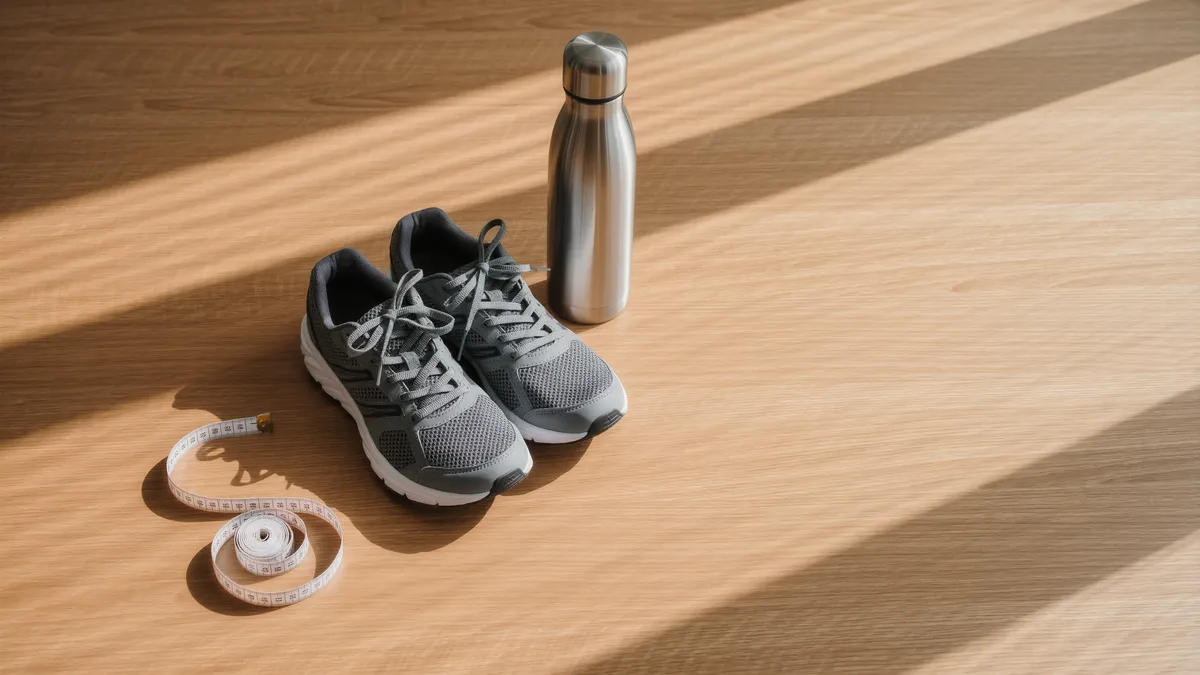
Plenty of men reach their fifties weighing about what they always did, yet their belts tell a different story. With age, fat tends to shift toward the middle of the body, and that change matters more than the number on the scale.
Two kinds of belly fat
Some belly fat sits just under the skin. The kind that matters most for health sits deeper, packed around the organs inside the abdomen. This deep fat, called visceral fat, is metabolically active: it releases substances that affect blood sugar, blood pressure and inflammation throughout the body.
Why it builds up with age
- Muscle loss. Men lose muscle gradually from middle age unless they work to keep it. Less muscle means fewer calories burned at rest.
- Hormone changes. Shifts in hormone levels with age favor storing fat around the middle.
- Less movement. Desk work, driving and evenings on the couch add up.
- Sleep and alcohol. Short or broken sleep and regular drinking are both linked with a larger waist.
Why it matters
A larger waist is linked with type 2 diabetes, high blood pressure, heart disease and fatty liver. Researchers have also found links between this cluster of metabolic problems and urinary symptoms in older men, including night-time trips to the bathroom. The connection is still being studied, but it is one more reason the waistline is worth watching after fifty.
Measure it
Stand up, breathe out normally and measure around your bare waist, level with the top of your hip bones. For men, a waist over 40 inches (102 cm) is commonly used as a marker of higher health risk. Check it once a month rather than daily.
What actually works
- Walk most days. Thirty minutes of brisk walking is one of the most reliable ways to reduce visceral fat, even before the scale moves.
- Lift something twice a week. Strength training protects muscle, and muscle is what keeps your metabolism up. Bodyweight moves at home count.
- Build meals around protein and fiber. Lean protein, vegetables, beans and whole grains keep you full on fewer calories.
- Cut back on sugary drinks and refined snacks. They are among the easiest calories to remove without feeling hungry.
- Keep alcohol modest. Fewer drinks, fewer days.
- Protect your sleep. Aim for seven to eight hours. Our evening routine can help.
Spot reduction doesn't work. Sit-ups strengthen the muscles underneath but don't burn the fat on top. Overall activity, food and sleep are what shrink the waist over time.
Before you start a new exercise program, especially if you have heart problems, joint pain or haven't been active for a while, check in with your doctor.